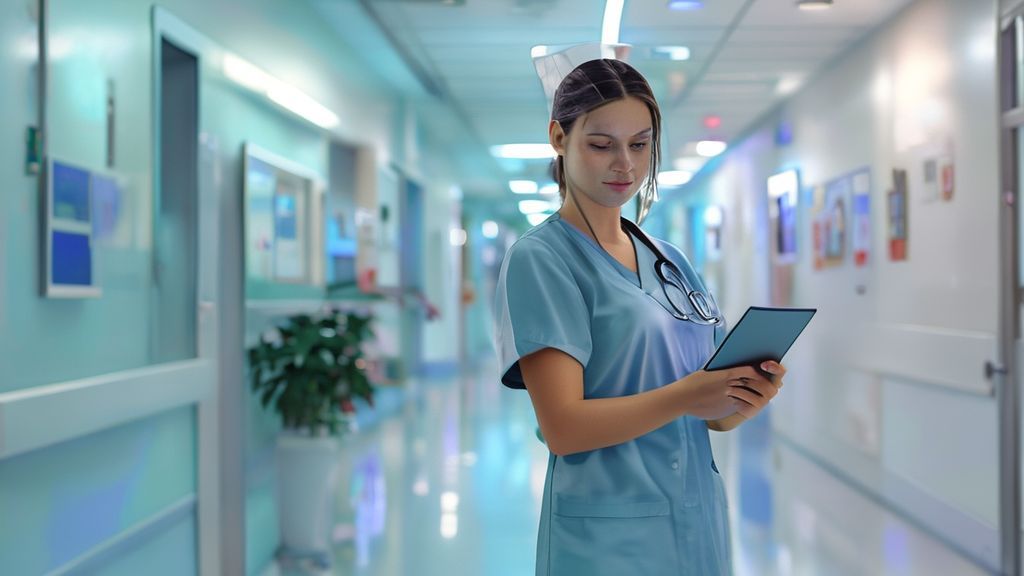


The healthcare industry in Australia is changing rapidly. You are likely noticing more talk about technology in your classes and clinical placements. The future of nursing is not just about bedside manner or clinical procedures anymore. It now includes the ability to work alongside advanced technology.
New graduates face a competitive job market. Hospitals and clinics want nurses who can manage patient care and use digital tools effectively. Artificial Intelligence (AI) is a major part of this shift. If you want to secure a strong position in the workforce, you must understand how these tools work. Being "AI-ready" is now a requirement rather than a bonus.
Key Takeaways
- Employability: Proficiency in AI tools makes you more attractive to employers.
- Efficiency: Technology helps reduce paperwork so you can focus on patients.
- Readiness: Understanding digital trends prepares you for the reality of modern wards.
- Tools: Platforms like Norma are becoming standard for documentation and support.
Healthcare Technology Trends in Australia
You will see several changes in how hospitals operate as you enter the workforce. The push for digital integration aims to fix common problems like staff burnout and errors in records.
Current trends influencing the sector include:
- Electronic Medical Records (EMR): Most facilities are moving away from paper charts completely.
- Telehealth Services: Remote care is growing, especially for patients in rural Australia.
- Wearable Devices: Patients use smartwatches and monitors that send data directly to nurses.
- AI-Assisted Documentation: Systems that listen and transcribe notes to save time.
These shifts mean your daily routine will involve screens and data as much as stethoscopes and bandages.

Why Digital Health Literacy Matters
Digital health literacy is the ability to seek, find, understand, and appraise health information from electronic sources and apply the knowledge gained to addressing or solving a health problem. For a nurse, this means you must feel comfortable using software and hardware without constant help.
Employers look for specific abilities:
- Data Entry Speed: You need to input patient stats quickly and accurately.
- Troubleshooting: You should know how to fix minor technical issues with equipment.
- Information Analysis: You must read digital charts and spot trends in patient health.
- Privacy Awareness: You need to understand how to keep digital patient records safe.
When you possess strong digital health literacy, you spend less time struggling with a computer and more time caring for people. This skill set sets you apart from other graduates who might resist learning new systems.
Nursing Informatics and Your Daily Tasks
Nursing informatics is where nursing science meets computer science. It might sound complex, but it is simply using data to improve patient outcomes.
In a practical sense, informatics helps you:
- Reduce Errors: Digital systems flag medication conflicts before you administer them.
- Track History: You can see a patient's full medical history instantly.
- Communicate: It allows for better sharing of information between doctors, specialists, and nurses.
You do not need to be a programmer. However, you do need to understand that every piece of data you enter contributes to a larger system. This system helps the hospital run smoothly. Your role involves feeding this system accurate information.
Proficiency with Tools Like Norma
One of the most valuable skills you can list on your resume is proficiency with specific AI tools. Governa AI offers solutions like Norma, which helps automate administrative tasks. Employers view familiarity with these platforms as a major asset.
Why Norma Skills Make You Hireable
Hospitals want staff who can hit the ground running. If you already know how to use AI assistants, you require less training. Tools like Norma assist with:
- Automated Note-Taking: The AI listens to your verbal updates and writes the report for you.
- Compliance Checks: It checks that your actions follow the latest regulations.
- Shift Handovers: It summarizes key patient events for the next nurse.
Application in Aged Care
This technology is very useful in specific sectors. For example, using AI for aged care helps staff manage the complex needs of elderly residents by tracking their daily patterns and alerting nurses to changes. When you understand how to use these specific applications, you demonstrate that you are ready for specialized roles.
By mastering a tool like Norma before you graduate or early in your career, you show employers that you are forward-thinking. You prove that you are ready to work in a tech-forward healthcare system.
Practical Steps to Get Ready
You might wonder how to build these skills while you are still studying. You do not need to take a computer science degree. Small steps make a big difference.
- Embrace New Software: Do not shy away from new systems during your clinical placements. Ask to use them.
- Take Online Short Courses: Look for free certifications in digital health basics.
- Practice Typing: Speed and accuracy matters when you have to document care for six patients.
- Stay Informed: Read articles about how technology changes medical procedures.
- Ask Questions: When you see a new device, ask your supervisor how it works and why they use it.

Frequently Asked Questions
Will AI replace nurses in the future?
No. AI cannot replace the human touch, empathy, and critical thinking a nurse provides. It exists to handle repetitive tasks like paperwork so you can spend more time with patients.
Do I need to be good at math to use nursing AI?
You do not need advanced math skills. Most AI tools are user-friendly and designed to be as simple as using a smartphone app.
Why do employers care about my tech skills?
Tech skills save money and time. A nurse who can use digital tools efficiently makes fewer errors and completes tasks faster.
Is it expensive to learn these skills?
Many resources are free. Your university or hospital placement may offer training sessions on their specific systems at no cost.
Securing Your Place in Modern Healthcare
The healthcare landscape is moving toward a model where technology and human care work together. By accepting this change, you protect your career. You make yourself a candidate that hospitals are eager to hire.
Focus on building your confidence with digital tools. View platforms like Norma not as obstacles, but as partners that make your job easier. The nurses who succeed in the coming years will be those who combine compassion with technical competence. Start preparing now, and you will be ready for whatever the industry brings.