What is the Administrative Appeals Tribunal?
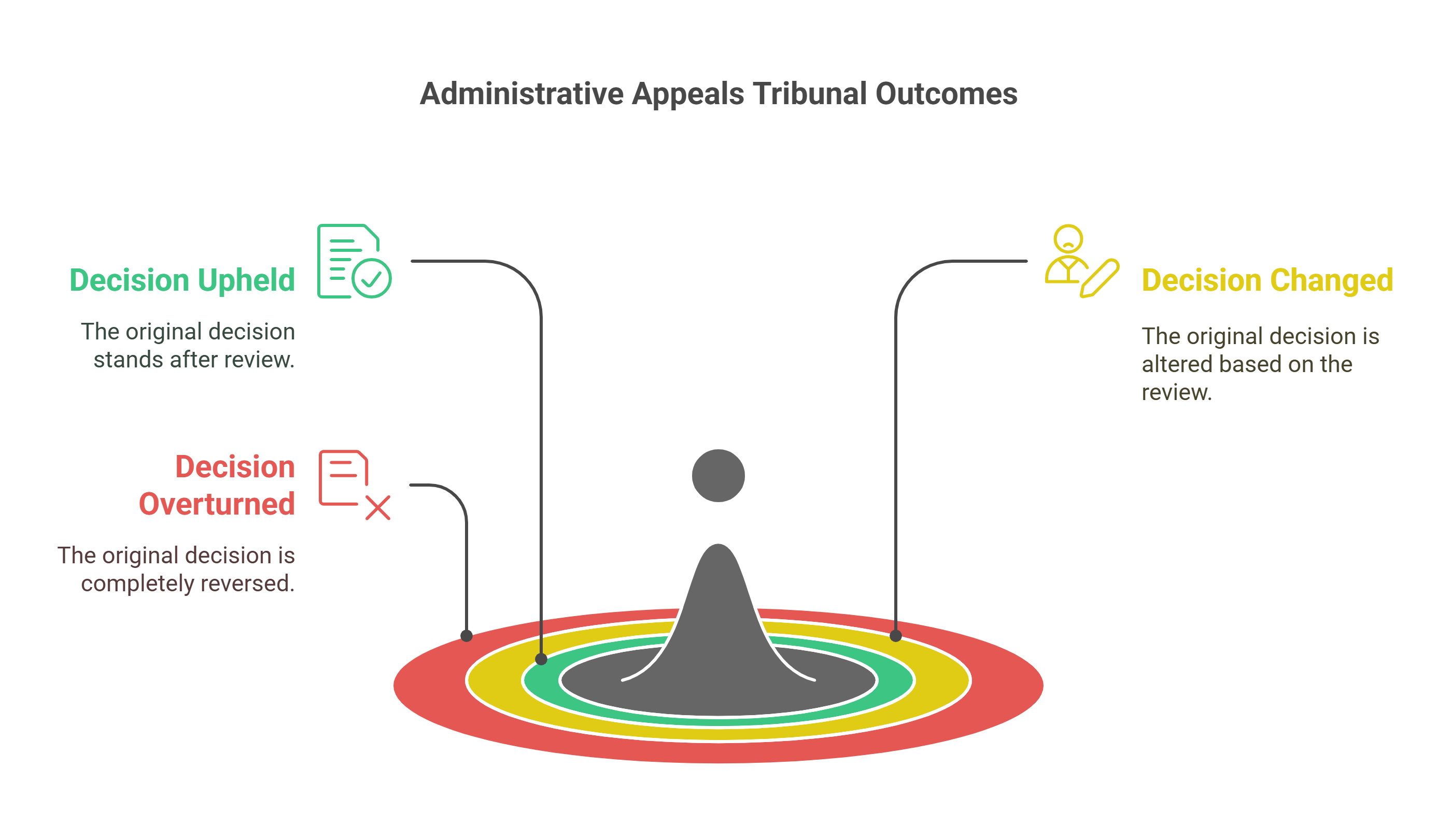
The Administrative Appeals Tribunal is an independent body that reviews decisions made by government agencies. In the field of aged care, the tribunal helps to look at decisions made by care providers or government departments that affect residents and their families. The tribunal listens to the concerns of people who feel that a decision may have been unfair or incorrect. The tribunal then makes a decision on whether to change the original decision. This process is designed to give a fair chance to every person who is affected by important decisions.
The Role of the Administrative Appeals Tribunal in Aged Care
In aged care, the tribunal plays an important part by reviewing decisions related to the services and charges that residents face. When a family member or a resident believes that a decision was not fair, they can ask the tribunal to look at the case. The tribunal reviews all the details and listens to the views of all parties involved. After looking at the evidence, the tribunal makes a decision that can change or cancel the original decision. This process helps to give confidence to residents and their families by providing a way to check important decisions.
How Does the Review Process Work?
The process of review at the tribunal begins when a person or a family member submits a request to have a decision checked. The request must be made in writing and must state clearly why the decision should be reviewed. Once the tribunal receives the request, it sends a notice to all the parties involved. A hearing is then arranged where each side has a chance to speak. The tribunal listens carefully and reviews all the evidence that is presented. After the hearing, the tribunal writes down its decision and explains the reasons behind it. This written decision becomes part of the official record. The review process makes it possible to change a decision that may not have been made correctly at first.
Who Can Use the Administrative Appeals Tribunal?
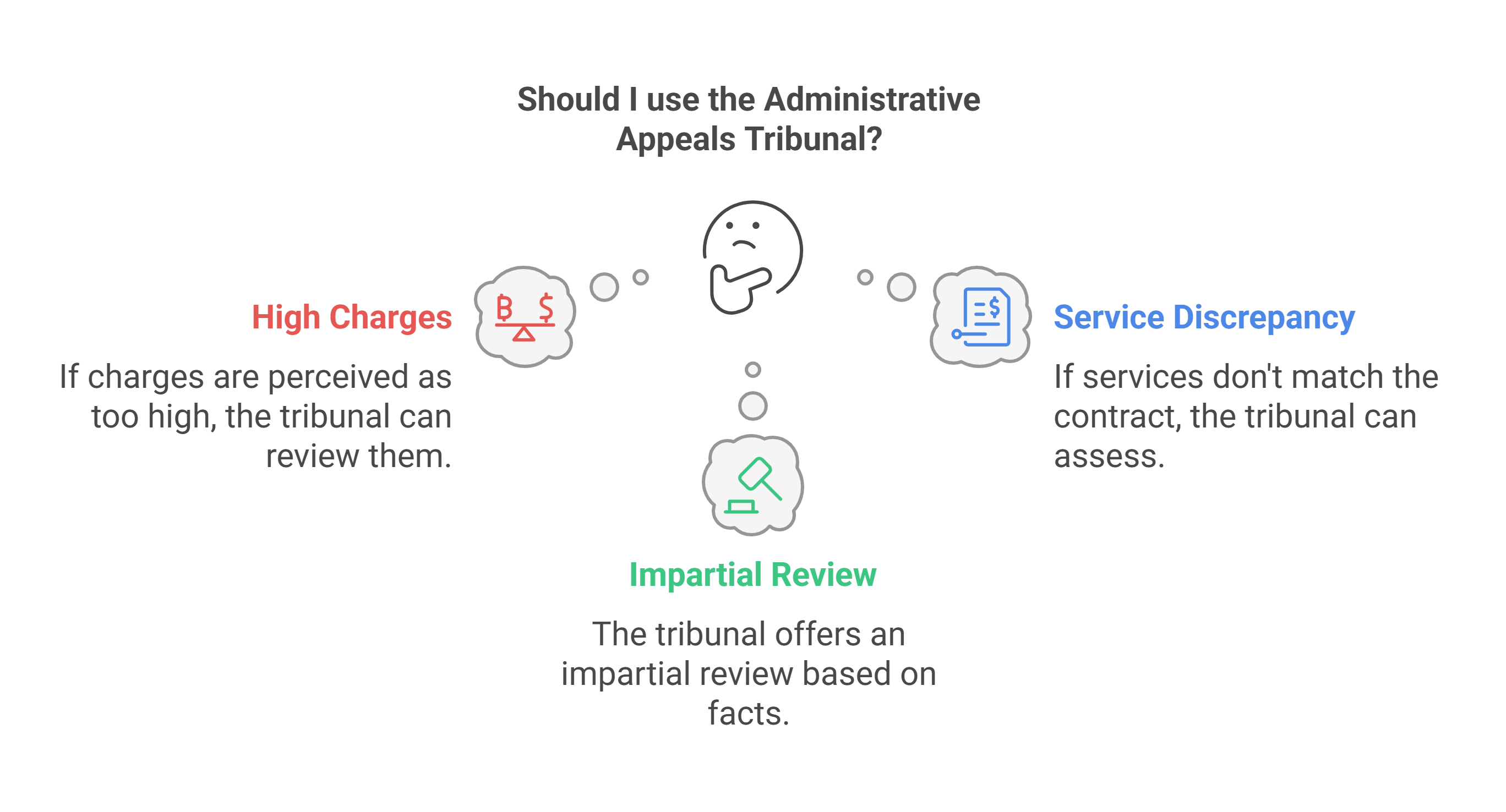
The tribunal is available for use by residents, family members, and sometimes even care providers if there is a disagreement about a decision. For example, if a family member thinks that a charge is too high or that the services provided do not match the description in the contract, they can ask the tribunal to review the matter. This opportunity is available to everyone who is directly affected by a decision. The tribunal is an impartial body, which means that it makes decisions based on the facts and evidence, not on personal opinions.
Why is the Administrative Appeals Tribunal Important in Aged Care?
The tribunal helps to protect the rights of residents and their families by offering a way to have decisions reviewed. This protection is very important because the decisions made by government agencies or care providers can have a big effect on the lives of residents. By giving people a way to ask for a review, the tribunal makes sure that every decision can be looked at again if there is a concern. This process also helps to build trust in the aged care system. When residents know that they have a clear way to ask for a review, they feel more confident about the decisions that affect their care and their living conditions.
How to Access the Tribunal
To ask for a review by the tribunal, a person must follow the steps that are set out by the tribunal. First, they need to gather all the documents related to the decision. Then, they write a request that explains why they believe the decision should be reviewed. This request is sent to the tribunal office. It is important that every detail is clear and that all the facts are presented correctly. The tribunal may also offer help or guidance on how to submit a request. This support makes it easier for residents and their families to use the tribunal if they need to.
Challenges and Considerations
The review process can sometimes be difficult. The person making the request must be very clear about the reasons for the request and must provide all the needed evidence. This process takes time because every case must be looked at in detail. However, the tribunal works hard to give every case a fair chance. The review process is a way to check that decisions are made in a fair manner. Although it may take time and effort to go through the process, many residents and families find that having a chance to ask for a review gives them peace of mind.
Final Thoughts
The Administrative Appeals Tribunal in aged care is a key part of the system that helps to protect the rights of residents and their families. By reviewing decisions made by government agencies or care providers, the tribunal makes it possible to correct decisions that are not fair. The process is open and allows everyone to have a chance to be heard. The tribunal gives a clear way to check important decisions and is a valuable part of making sure that aged care services work in a fair and open way.