What is Aged Care?
Aged care is a system that offers support and services to older people who may need extra help with everyday tasks. This system covers many areas such as personal care, health support, accommodation, and social activities. In aged care, older people receive care in places such as residential facilities, community centers, or even in their own homes. The aim of aged care is to provide a safe and caring environment where older people can live comfortably.
Services Provided in Aged Care
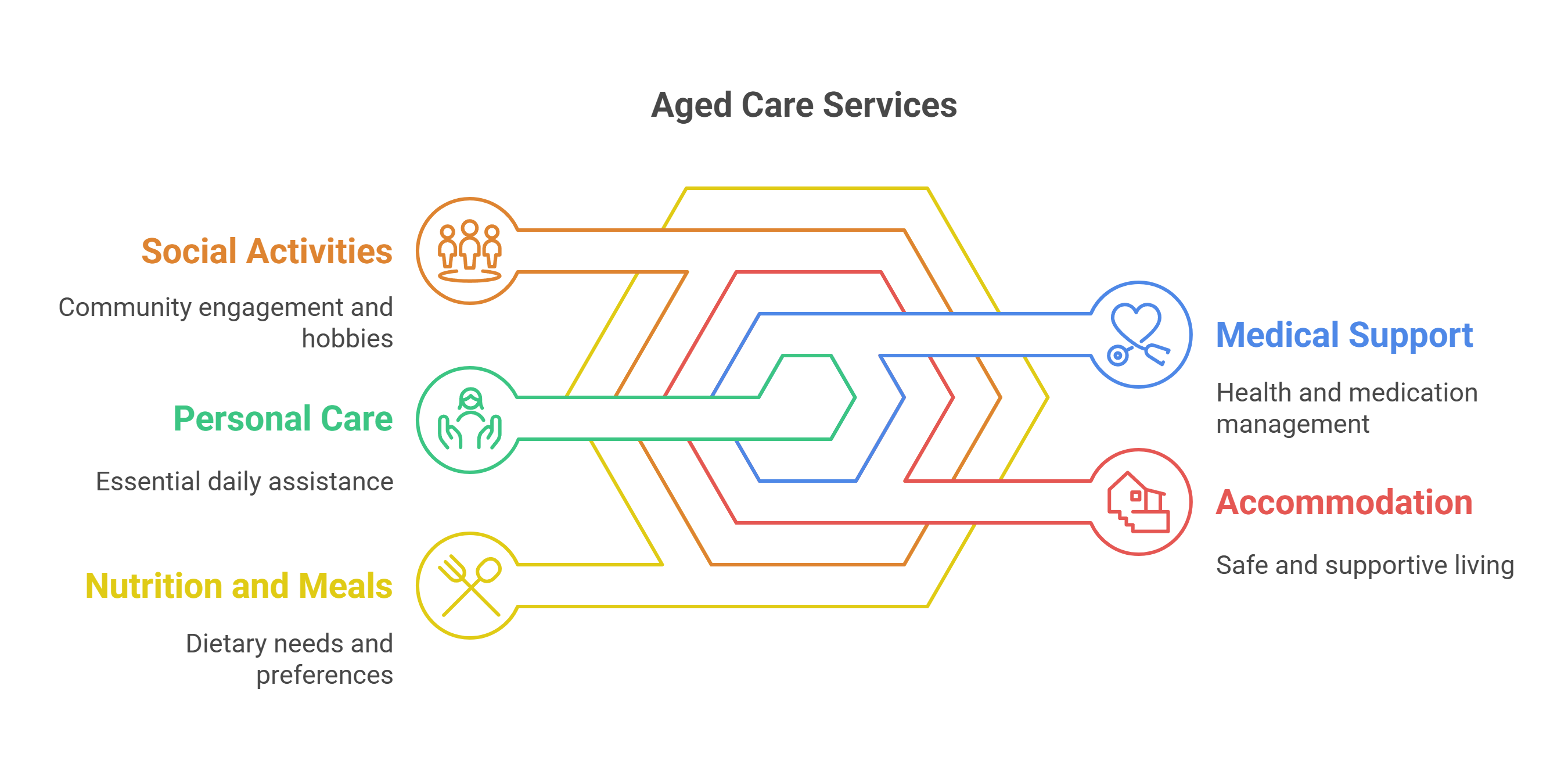
Aged care includes a wide range of services that help older people maintain a good quality of life. Some of the services that aged care facilities may offer include:
- Personal Care: Help with tasks like bathing, dressing, and eating.
- Medical Support: Assistance with medications, regular health checks, and help from nurses or doctors when needed.
- Accommodation: Safe living arrangements in dedicated facilities where help is available around the clock.
- Social Activities: Programs and events that allow residents to join group activities and enjoy hobbies.
- Nutrition and Meals: Healthy food options prepared in ways that meet dietary needs and preferences.
Who Provides Aged Care?
Aged care is provided by a team of professionals who work together to support the well-being of older residents. This team can include nurses, personal care assistants, doctors, and support staff. The people working in aged care are trained to listen and to help residents with their everyday needs. Their work is important in making sure that older people feel safe and respected.
The Goals of Aged Care
.png)
The primary goal of aged care is to give older people a place where they can live with dignity and comfort. The services in aged care are designed to:
- Maintain Independence: Helping older people with tasks so they can remain independent for as long as possible.
- Provide a Safe Environment: Making sure that the living space is secure and that help is always nearby.
- Support Health and Well-Being: Offering medical support and promoting healthy lifestyles through proper nutrition and exercise.
- Encourage Social Connections: Organizing group activities and events that help residents build friendships and reduce feelings of loneliness.
How Aged Care Works
Aged care facilities are built to meet the special needs of older residents. When a person moves into a facility, they sign an agreement that outlines the care services that will be provided. This agreement explains the cost of the care and the services that come with it. The facility then makes sure that there is a clear plan for meeting the needs of every resident. Staff members work together to check on residents and to provide help when it is needed. Regular meetings may be held with residents and their families to talk about any changes or improvements that are needed. These meetings help to make sure that the care plan remains clear and fair.
The Importance of a Caring Environment
Aged care is more than just a set of services. It is about creating a home-like environment where older people can feel comfortable and respected. The staff in aged care facilities try to build close relationships with residents. They listen carefully to concerns and work hard to solve any problems. This caring environment helps residents feel secure and valued. When older people are surrounded by a supportive team, they have a better chance of enjoying their later years with peace and happiness.
Challenges and Considerations
.png)
Even though aged care provides many helpful services, there are challenges that both residents and their families may face. Sometimes, it can be difficult to adjust to new routines or to share personal space with others. It is important that the needs of each person are met by clear communication and a respectful approach. Staff members are encouraged to listen to residents and to work together with families to resolve any issues that may arise. This teamwork helps to create an environment where everyone is treated with respect.
Final Thoughts
Aged care is a system built to support older people by providing a safe and caring environment. The services offered in aged care help to maintain independence, promote health, and encourage social interaction. With a dedicated team of professionals, aged care facilities work hard to make sure that every resident feels comfortable and valued. This system is an important part of making sure that older people have a place where they can live with dignity and respect.