What are Aged Care Needs Assessors?
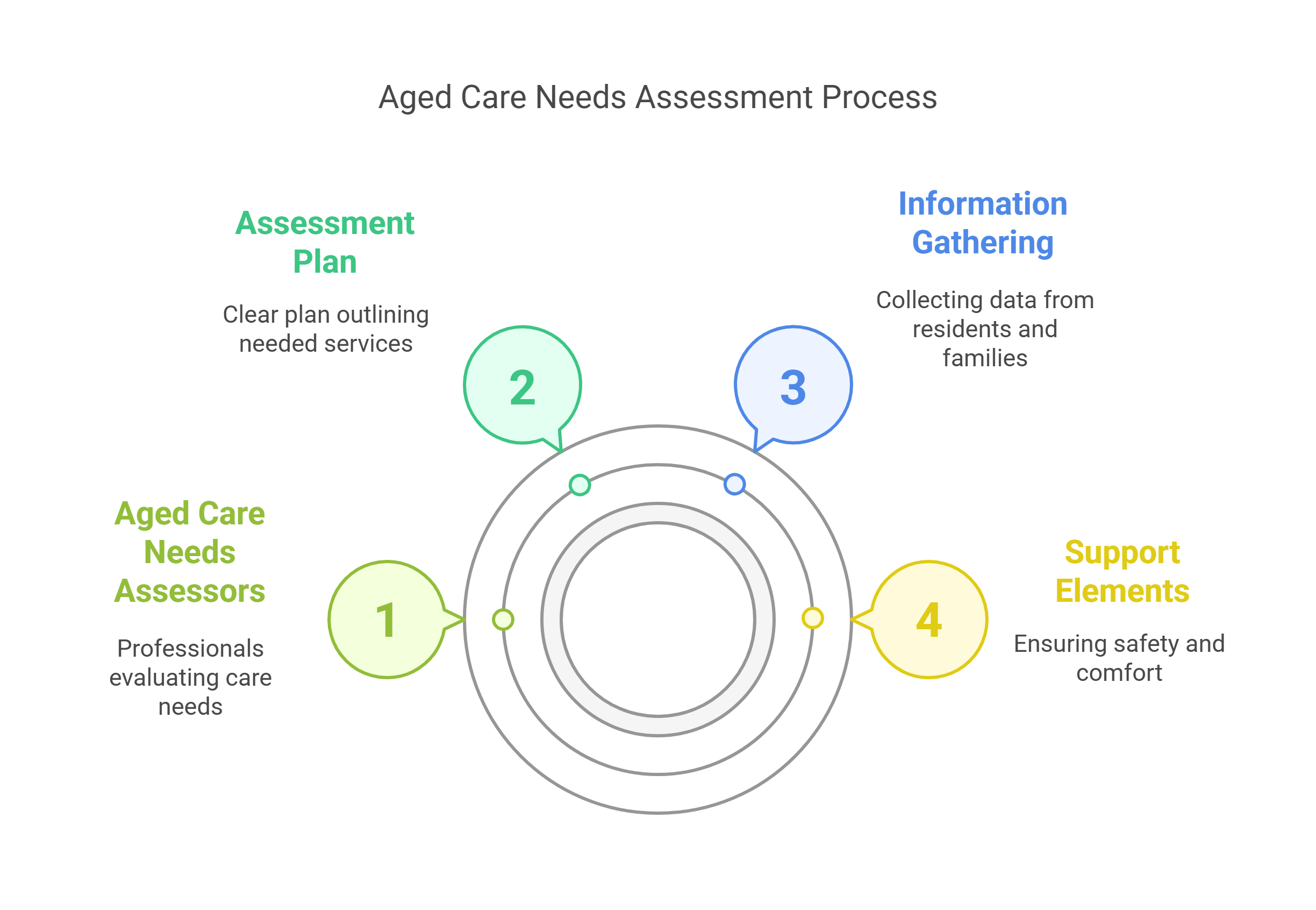
Aged care needs assessors are professionals who evaluate the needs of older people to determine the type and level of care that is appropriate. These assessors visit residents in their homes or at aged care facilities and talk with them, their families, and care staff. They use this information to write a clear plan that explains what services are needed. Aged care needs assessors play an important role in making sure that each resident receives the right support to live safely and comfortably.
The Role and Responsibilities of Aged Care Needs Assessors
The main responsibility of aged care needs assessors is to understand the specific needs of every resident. They ask many questions and carefully listen to what the resident and their family have to say. Their job is to note details about the resident’s health, personal care, daily activities, and social needs. The assessors then use this information to help decide what type of care is best. They look at factors such as mobility, memory, and the ability to perform everyday tasks. The assessors write a detailed report that becomes part of the resident’s care plan. This report helps guide the staff and the family in making decisions about the services that are provided.
How the Assessment Process Works
The process begins with a meeting where the assessor spends time with the resident. They may visit the home or care facility to see the environment and talk with the resident. During the meeting, the assessor asks questions about daily routines, medical history, and any difficulties the resident faces. This conversation helps the assessor to get a complete picture of the resident’s needs. After the visit, the assessor writes a report that clearly explains what care is needed. This report is then used by the aged care facility or the government to decide on the care services that will be provided. The assessment is done with care and respect so that every resident feels understood.
Who is Involved in the Assessment?
The aged care needs assessor works together with many different people during the assessment process. The resident is at the center of the conversation, and family members often participate to share their observations and concerns. Health professionals such as doctors and nurses may also be involved if the resident has specific medical issues that need attention. The assessor works as part of a team to make sure that the care plan covers every important area of the resident’s life. This team effort helps to build a complete picture and make the care plan as useful as possible.
The Benefits of Having an Aged Care Needs Assessment
A proper needs assessment provides many benefits for the resident and their family. One clear benefit is that it creates a clear plan for what care is needed. When everyone understands the resident’s needs, it becomes easier to plan the right services and support. The assessment also helps to make sure that the resident receives care that is respectful and focused on their personal requirements. By having a detailed report, the aged care facility can work with the family to adjust care as the resident’s needs change over time. This report also makes it possible to track the progress of the resident and to update the care plan when necessary.
How the Work of Assessors Improves Aged Care
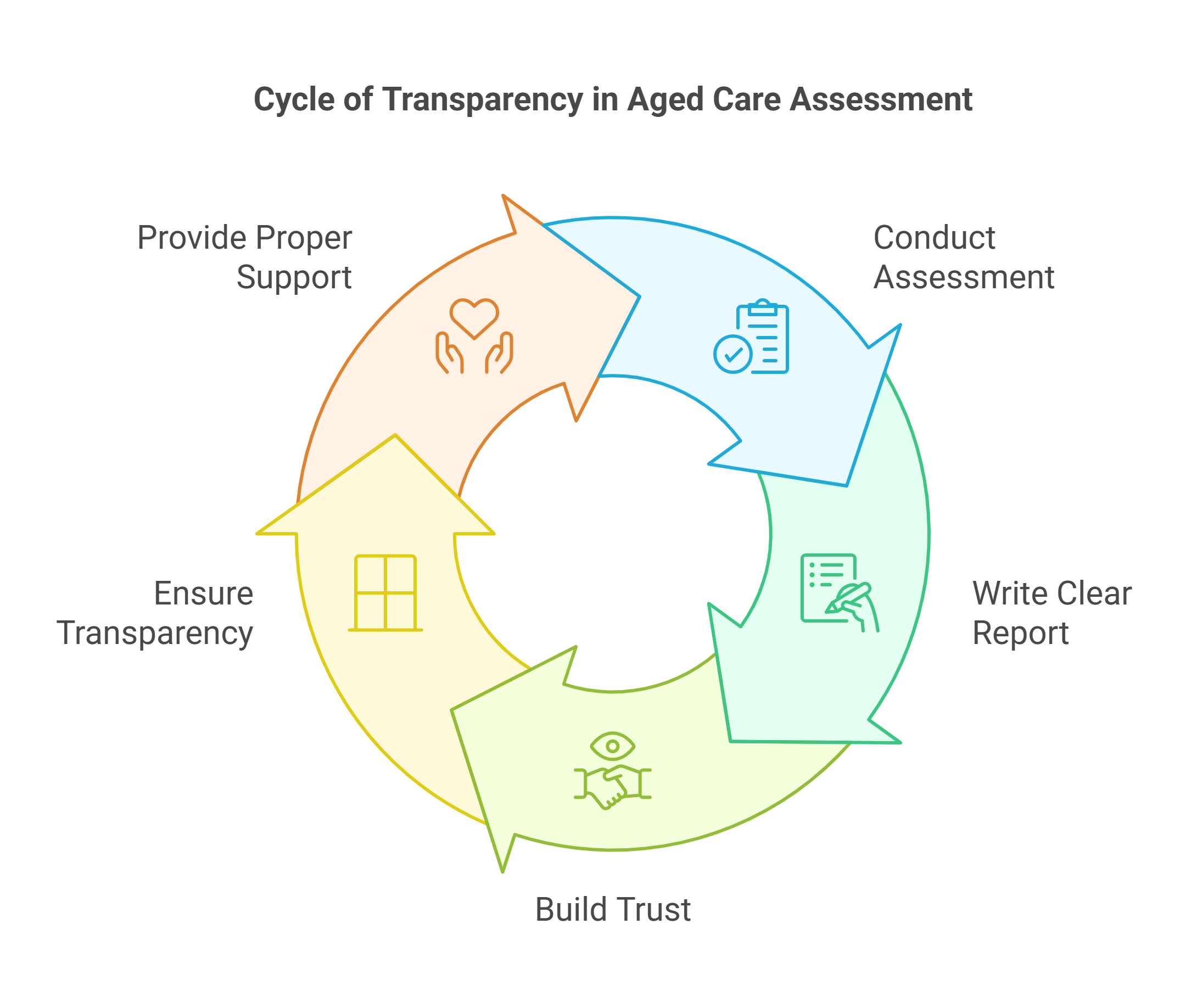
Aged care needs assessors help to make the care system more open and responsive. Their careful work gives residents a voice and makes sure that every need is considered. The assessors write their reports in simple language so that families can easily understand the recommendations. This clarity builds trust between the resident, the family, and the care provider. When every step of the assessment is explained and documented, the care plan is clear and fair. This transparency helps everyone feel confident that the resident will receive the proper support.
Challenges in the Assessment Process
Sometimes, it can be challenging to capture every detail of a resident’s needs. Residents may find it hard to talk about their difficulties, and family members might have different views on what care is needed. Aged care needs assessors work carefully to listen to every voice and to make sure that the final report covers all important points. They take time to ask the right questions and to check that the care plan is complete. Even when challenges arise, the assessors work with patience and respect to find solutions that work for everyone.
Final Thoughts
Aged care needs assessors play a key role in making sure that older people receive the proper care. They listen carefully, ask many questions, and write clear reports that guide the care process. With a complete assessment, the care plan is well documented and easy to understand by residents, family members, and care providers. This detailed approach helps every resident to live with safety and comfort. With clear information and careful guidance, aged care needs assessors help to build a support system that respects the dignity of every older person.