
Approved Provider

What is an Approved Provider?

An approved provider is an organization that has met strict government rules to offer aged care services. This official status means that the organization has been carefully checked and is monitored to keep a safe and respectful environment for older people. When an organization becomes an approved provider, it is recognized as one that delivers care that meets the clear standards set by the government.

How Does an Organization Become an Approved Provider?

The process begins with a detailed application where the organization provides information about its services and facilities. Government inspectors then visit to check that the facility is safe and that the services are provided as promised. If the facility meets all the rules, it is given approved provider status. After approval, the organization is reviewed regularly, and records are kept to show that it continues to follow the guidelines.

Why Approved Provider Status is Important

For residents and their families, knowing that a care provider is approved gives confidence in the quality of care offered. Approved providers are expected to offer safe living conditions, proper personal care, and support for daily needs. This status is a mark of trust and helps families feel secure about the choice they make. It also means that if any issues arise, there is a clear process for making things right.

Services Offered by Approved Providers
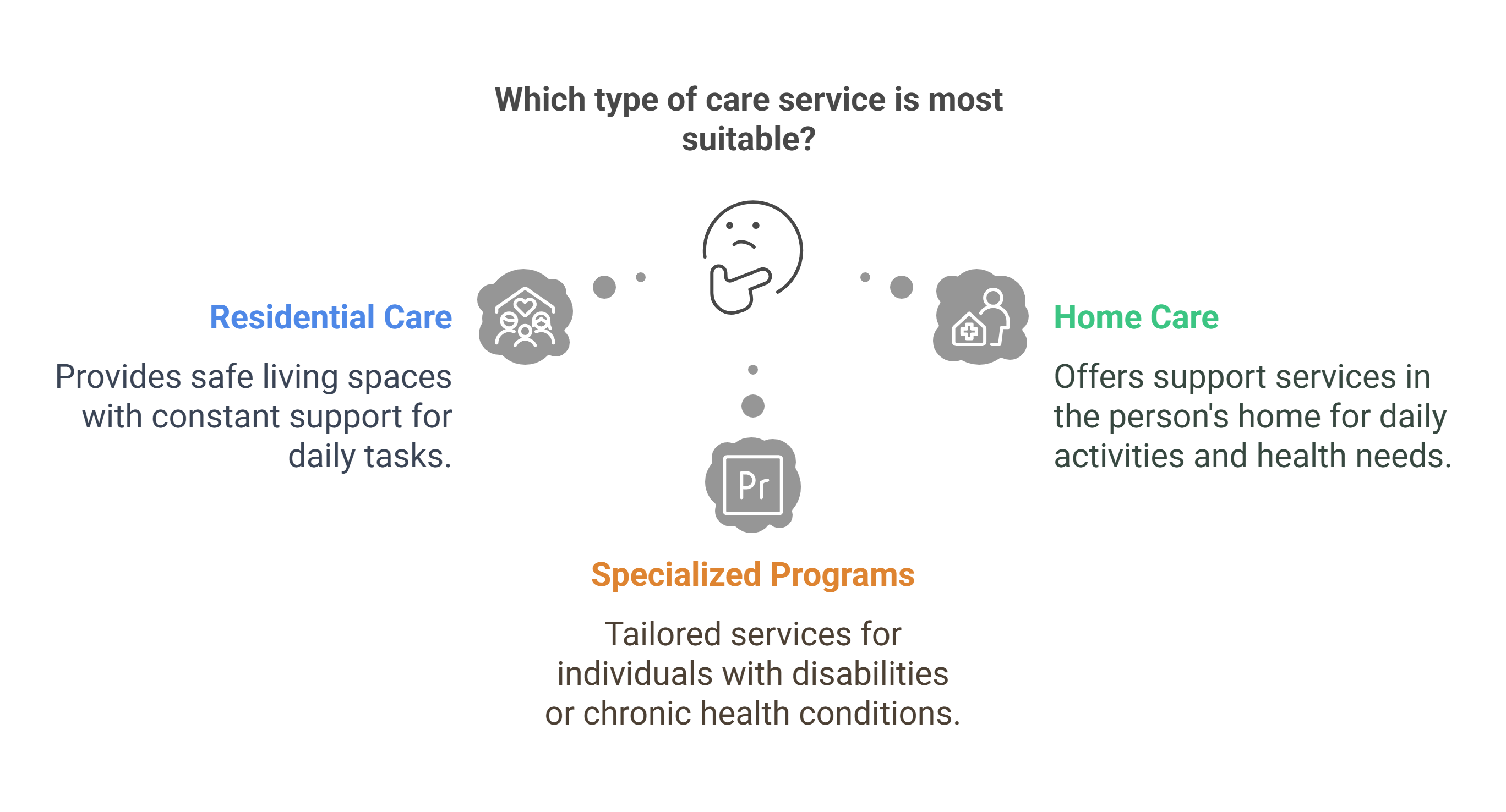
Which type of care service is most suitable

Approved providers offer a wide range of services that help older people live with dignity and comfort. These services may include:

  • Residential Care: Safe living spaces where residents receive help with daily tasks and access to support at all times.
  • Home Care: Support services delivered in the person’s own home to help with daily activities and health needs.
  • Specialized Programs: Services designed for residents with extra needs, such as those with disabilities or chronic health conditions.

Each service is carefully planned so that it meets the personal needs of the residents and follows clear government guidelines.

Ongoing Monitoring and Record Keeping

Once an organization is approved, it must maintain high standards through regular reviews and inspections. Clear records are kept for all aspects of care, including staff training, care plans, and responses to any complaints. This transparent process means that families and government bodies can always check that the provider is operating safely and fairly.

The Role of Approved Providers in the Aged Care System

Approved providers are an important part of the aged care system. They deliver the services that older people need while working within a framework that keeps care safe and clear. By following the rules, these providers help maintain a trusted system that benefits residents, families, and care workers alike. Their role also includes working with government bodies to address any issues quickly so that residents always have a safe place to live.
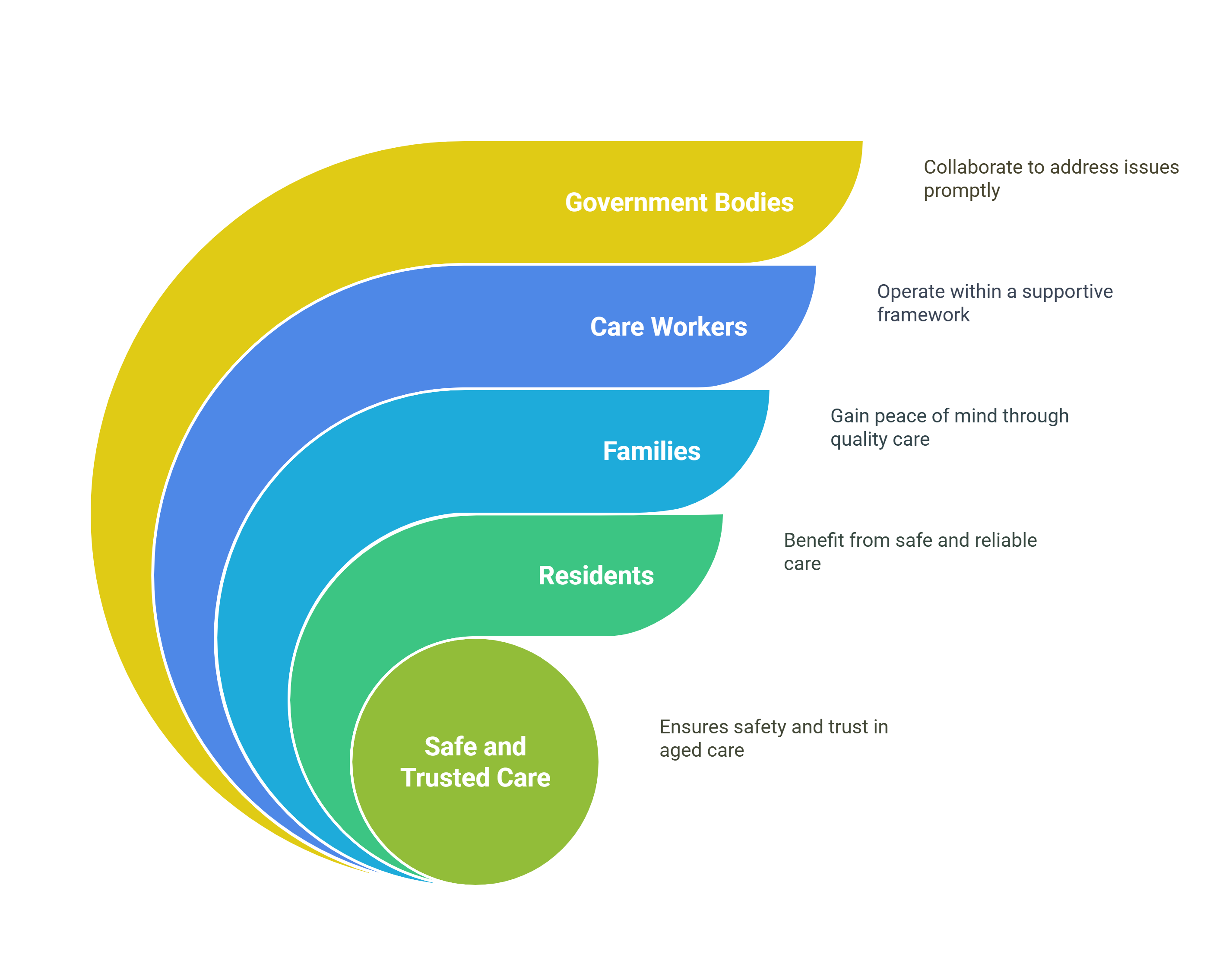
Role of Approved Providers in Aged Care

Support for Continuous Improvement

Even after approval, organizations are expected to keep improving their services. Government bodies may offer advice and support to help providers adjust to new rules or changing resident needs. This ongoing support means that care is constantly improved, and any problems are addressed quickly. The process is written in a way that promotes clear communication and a step-by-step approach to making the care environment better.

Final Thoughts

An approved provider is a trusted organization that has met all government rules to offer aged care services. With clear steps for approval, regular reviews, and careful record keeping, these providers help create a safe and respectful environment for older people. Families can feel confident that their loved ones are cared for in facilities that follow strict standards, making the overall aged care system a fair and secure place for everyone.

More Glossary items

War widow and widower pensions provide vital financial support to the surviving partners of veterans. These government payments are generally non-taxable and are treated differently in aged care assessments, often reducing or eliminating means-tested care fees for residential or home care services. Understanding how these pensions interact with aged care fees can help recipients plan their finances and maintain access to essential services.
This guide explains aged care support options for Australian veterans and war widows/widowers. It covers eligibility for government-funded aged care services, access to Department of Veterans' Affairs (DVA) support, and how pensions affect aged care fees. The article highlights the importance of recognising the unique needs of this group to ensure respectful and appropriate care.
The System Governor plays a vital role in Australia’s aged care system, overseeing service quality, continuity, and fair access for older Australians. This post explains its responsibilities, including policy development, provider accountability, and initiatives like Star Ratings, ensuring that aged care services are reliable, safe, and equitable.
Substitute decision-making is used when an older person can no longer make important decisions on their own. A substitute decision-maker steps in to make choices about medical treatment, personal care, and living arrangements. Their role is to follow the person’s known wishes or act in their best interests when those wishes are not clear. Families can plan ahead by legally appointing someone they trust, and any valid Advance Care Directive must be followed. Understanding how substitute decision-making works helps ensure the person’s rights, preferences, and wellbeing remain at the centre of care.
Supported decision making is a rights-based approach that helps you stay in control of your life as you receive aged care services. Instead of others making choices for you, this approach focuses on giving you the information, tools, and support you need to make your own decisions. This support can come from family members, friends, or independent advocates who help you understand options and express your preferences.
The Aged Care Statement of Rights outlines the protections every older person can expect when receiving funded aged care services in Australia. It affirms core rights such as independence, choice, equitable access, quality and safe care, privacy, and clear communication. The Statement also ensures that individuals can speak up, provide feedback, or make complaints without fear of unfair treatment. For providers, it establishes clear responsibilities to act in line with these rights and demonstrate genuine understanding in daily practice. This framework places the dignity, identity, and preferences of the older person at the centre of all care decisions.
Self-advocacy is the ability to speak up for your needs, preferences, and rights when receiving aged care. It helps maintain autonomy, ensure quality services, and improve communication with care providers. By asking questions, expressing preferences, raising concerns, and keeping simple records, individuals can take an active role in directing their care. When extra support is needed, family, friends, or independent advocates can help ensure the person’s voice remains central to all decisions.
Sanctions in Australian Aged Care are serious regulatory actions taken when a provider fails to meet required quality and safety standards. This article explains what sanctions are, why they are imposed, and the steps that lead to them, including Notices to Remedy and decisions by the Aged Care Quality and Safety Commission. It outlines common sanction conditions, their impact on providers, and what they mean for residents. The summary also answers key questions about sanction duration, consequences for ongoing non-compliance, how to find sanctioned facilities, and resident rights. The goal is to help readers clearly understand how sanctions protect the safety and wellbeing of older Australians.