Independent Health and Aged Care Pricing Authority

What is the Independent Health and Aged Care Pricing Authority?

The Independent Health and Aged Care Pricing Authority is an independent government body that establishes clear and fair pricing for health and aged care services. This authority plays a vital role in setting the rates at which services are funded, ensuring that care providers receive appropriate support and that consumers benefit from a transparent pricing system.

Key Functions and Responsibilities

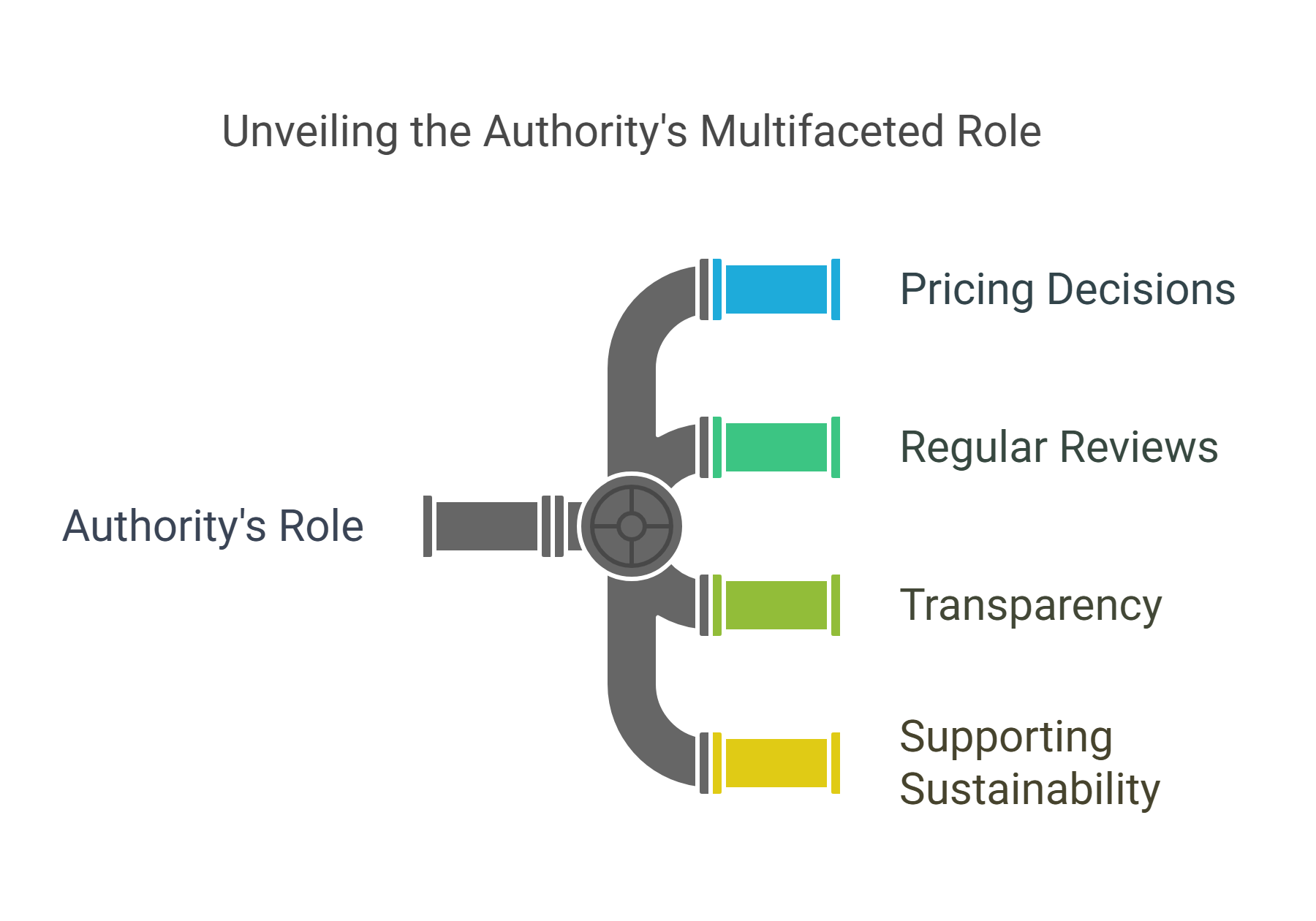
  • Pricing Decisions: The authority determines the rates for health and aged care services based on detailed assessments and evidence. These decisions ensure that the prices are fair and sustainable.
  • Regular Reviews: It conducts regular reviews of pricing to ensure that rates remain up-to-date with current costs and service standards.
  • Transparency: By making its decisions openly and clearly, the authority builds trust among care providers, residents, and the broader community.
  • Supporting Sustainability: The clear pricing structure helps maintain the financial stability of aged care and health services, ensuring that providers can continue to offer quality care.
Unveiling the Authority's Multifaceted Role

Why It Matters

The work of the Independent Health and Aged Care Pricing Authority is crucial because it helps to balance the cost of care with the needs of both service providers and consumers. A fair pricing system means that older people and those in need of health services have access to care without excessive financial burden. At the same time, care providers receive consistent funding that supports the delivery of safe and effective services.

How It Operates

The authority gathers and reviews detailed data on service delivery and operating costs. Using this clear information, it sets pricing rates that reflect the true cost of providing care. Its independent status means that decisions are made without external pressures, allowing for objective and fair outcomes. Regular updates and clear documentation ensure that everyone involved understands how prices are set and adjusted over time.

Final Thoughts

The Independent Health and Aged Care Pricing Authority plays a key role in ensuring that the aged care system remains fair, transparent, and sustainable. By setting clear pricing guidelines and conducting regular reviews, it helps create a balanced system where residents receive quality care and providers can operate effectively. This independent approach supports a trustworthy environment in aged care, benefiting everyone involved.

Frequently Asked Questions

What is the Independent Health and Aged Care Pricing Authority?

The Independent Health and Aged Care Pricing Authority is an independent government body responsible for establishing clear and fair pricing for health and aged care services. It sets the rates at which these services are funded.

What are the key functions of the Pricing Authority?

Its key functions include Pricing Decisions for health and aged care services based on evidence, conducting Regular Reviews to keep rates up-to-date, ensuring Transparency in its decisions, and Supporting Sustainability by providing a clear pricing structure.

Why is the work of the Pricing Authority considered crucial?

Its work is crucial because it balances the cost of care with the needs of both service providers and consumers. A fair pricing system ensures that people can access care without excessive financial burden while providers receive consistent funding to deliver safe and effective services.

How does the Independent Health and Aged Care Pricing Authority operate?

The authority operates by gathering and reviewing detailed data on service delivery and operating costs. It uses this clear information to set pricing rates that reflect the true cost of providing care. Its independent status ensures objective and fair decisions without external pressures.

More Glossary items

War widow and widower pensions provide vital financial support to the surviving partners of veterans. These government payments are generally non-taxable and are treated differently in aged care assessments, often reducing or eliminating means-tested care fees for residential or home care services. Understanding how these pensions interact with aged care fees can help recipients plan their finances and maintain access to essential services.
This guide explains aged care support options for Australian veterans and war widows/widowers. It covers eligibility for government-funded aged care services, access to Department of Veterans' Affairs (DVA) support, and how pensions affect aged care fees. The article highlights the importance of recognising the unique needs of this group to ensure respectful and appropriate care.
The System Governor plays a vital role in Australia’s aged care system, overseeing service quality, continuity, and fair access for older Australians. This post explains its responsibilities, including policy development, provider accountability, and initiatives like Star Ratings, ensuring that aged care services are reliable, safe, and equitable.
Substitute decision-making is used when an older person can no longer make important decisions on their own. A substitute decision-maker steps in to make choices about medical treatment, personal care, and living arrangements. Their role is to follow the person’s known wishes or act in their best interests when those wishes are not clear. Families can plan ahead by legally appointing someone they trust, and any valid Advance Care Directive must be followed. Understanding how substitute decision-making works helps ensure the person’s rights, preferences, and wellbeing remain at the centre of care.
Supported decision making is a rights-based approach that helps you stay in control of your life as you receive aged care services. Instead of others making choices for you, this approach focuses on giving you the information, tools, and support you need to make your own decisions. This support can come from family members, friends, or independent advocates who help you understand options and express your preferences.
The Aged Care Statement of Rights outlines the protections every older person can expect when receiving funded aged care services in Australia. It affirms core rights such as independence, choice, equitable access, quality and safe care, privacy, and clear communication. The Statement also ensures that individuals can speak up, provide feedback, or make complaints without fear of unfair treatment. For providers, it establishes clear responsibilities to act in line with these rights and demonstrate genuine understanding in daily practice. This framework places the dignity, identity, and preferences of the older person at the centre of all care decisions.
Self-advocacy is the ability to speak up for your needs, preferences, and rights when receiving aged care. It helps maintain autonomy, ensure quality services, and improve communication with care providers. By asking questions, expressing preferences, raising concerns, and keeping simple records, individuals can take an active role in directing their care. When extra support is needed, family, friends, or independent advocates can help ensure the person’s voice remains central to all decisions.
Sanctions in Australian Aged Care are serious regulatory actions taken when a provider fails to meet required quality and safety standards. This article explains what sanctions are, why they are imposed, and the steps that lead to them, including Notices to Remedy and decisions by the Aged Care Quality and Safety Commission. It outlines common sanction conditions, their impact on providers, and what they mean for residents. The summary also answers key questions about sanction duration, consequences for ongoing non-compliance, how to find sanctioned facilities, and resident rights. The goal is to help readers clearly understand how sanctions protect the safety and wellbeing of older Australians.