You deserve to have your voice heard and your rights respected. An effective Advocacy and Access Policy makes sure you get the support you need when making important decisions about your care and life. This policy helps guarantee fair treatment and clear communication.
The Problem: Unclear Rights and Support
Without a clear policy, you might face challenges in understanding your options. You may feel unsure about where to find support for important choices or how to voice concerns. This can lead to confusion and a feeling of not being heard, especially when dealing with care planning or resolving issues.
The Solution: Your Free Advocacy and Access Policy Template
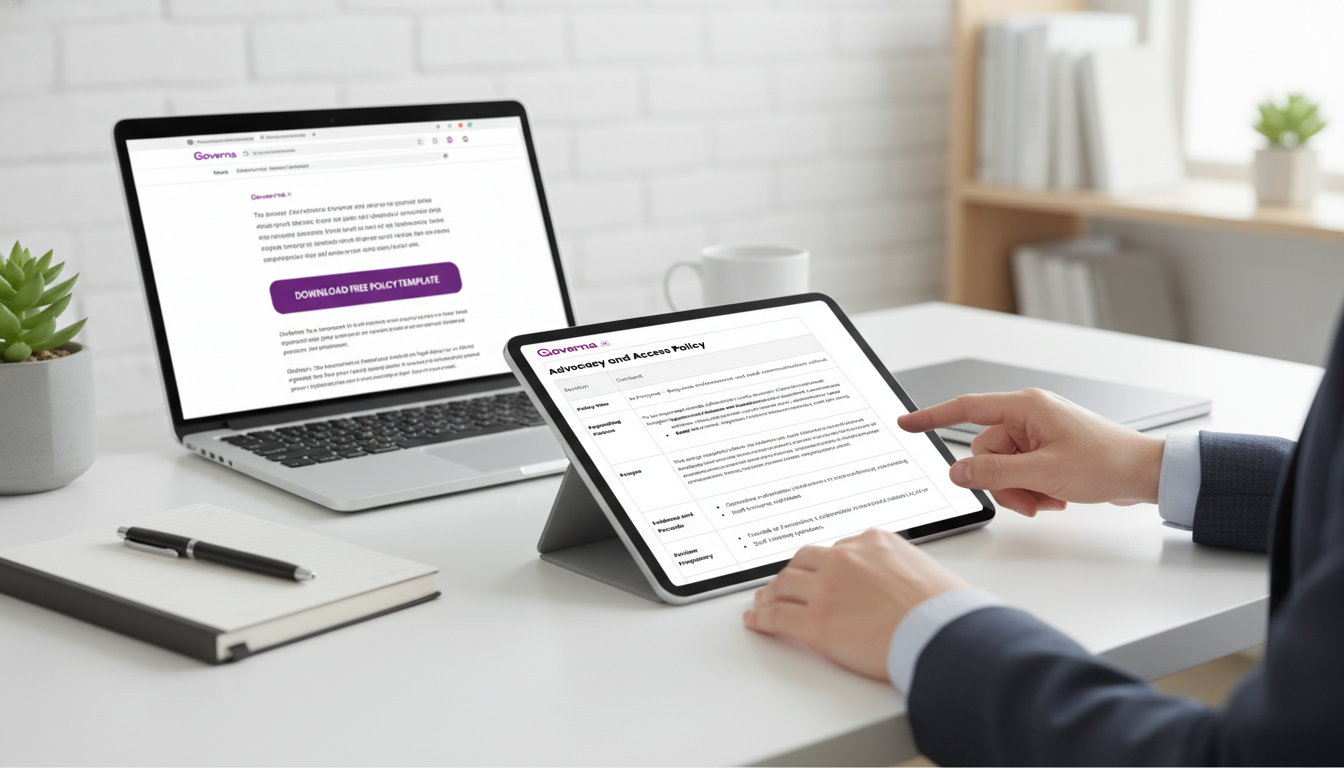
We offer a free Advocacy and Access Policy Template to help you establish clear guidelines. This template ensures that you, or those you care for, have access to independent advocacy and support services. It helps make sure everyone understands their rights and how to get help.
Key Benefits of a Strong Policy
Using our policy template helps you in many ways:
- Clear Information: You will know where to find independent advocacy and translation services.
- Support for Decisions: You get help with decision-making, care planning, and solving complaints.
- Fair Treatment: You are supported in accessing services, regardless of your language, culture, or abilities.
- Respect for Rights: Your right to independent advocacy and support is recognized and protected.
Features of Our Policy Template
Our Advocacy and Access Policy Template includes important parts that guide you. It is a framework to help you create your own specific policy.
- Purpose Section: This part explains why the policy exists- to make sure you can access support for decisions and complaints.
- Scope Section: It tells you who the policy applies to, including consumers, staff, and service providers.
- Policy Statement: This section states that all people have a right to independent advocacy and support. Staff must inform you about available services.
- Procedures: This outlines steps for providing information on advocacy services and displaying contact details. It also covers supporting you to contact an advocate privately.
- Responsibilities: It defines what management, nurses, and staff must do to uphold the policy.
- Associated Policies: This lists other policies that work with advocacy and access, like those for consumer rights and decision-making.
- Evidence and Records: It describes the documents that show the policy is being followed, such as admission forms and training registers.
- Review Frequency: This tells you how often the policy should be checked and updated.
Get Your Free Policy Template
Ready to make sure advocacy and access are clearly defined? Download your free Advocacy and Access Policy Template today. This template is a guide to help you build a policy that fits your specific needs. It is designed to empower you with the structure for a clear, supportive environment.
Frequently Asked Questions
What is an Advocacy and Access Policy?
An Advocacy and Access Policy is a document that makes sure individuals can get independent support. This support helps them make decisions, plan their care, and resolve complaints fairly.
Why do I need an Advocacy and Access Policy?
You need this policy to clearly state the rights of individuals to advocacy and support. It helps organizations provide necessary information and assistance, ensuring everyone is treated fairly.
How does this policy help with communication?
This policy helps by ensuring access to language translation and culturally appropriate representatives. It also makes sure staff are trained in communication support.
Is this Advocacy and Access Policy Template legally binding?
No, this document is a framework and guideline only. It is not legal advice or a finished organizational policy. You must customize it for your needs and have it reviewed by your leadership or legal team.